Cost Factors of Wrapping a Coupe Explained
Intro
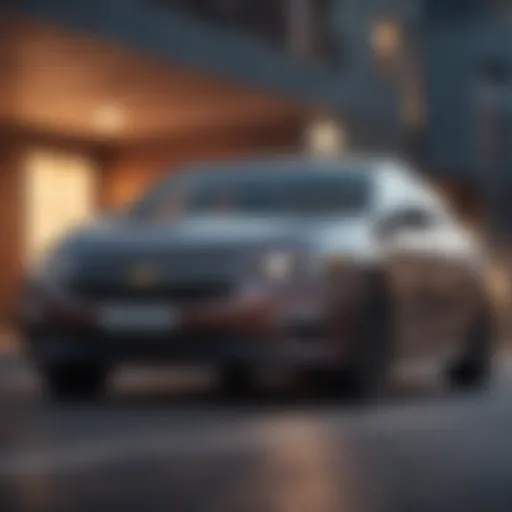
Wrapping a coupe can be a brilliant way to refresh its look or protect the original paintwork. However, before diving into such a project, one must grasp the ins and outs of costs associated with vehicle wrapping. The expenses vary widely based on several factors, including material choices, labor, and even regional market dynamics. This article will peel back the layers on what really goes into the pricing of wrapping a coupe, allowing car enthusiasts and potential buyers to make informed decisions.
A common misconception is that vinyl wrapping is merely a cosmetic add-on. In reality, the choices one makes can significantly impact both the aesthetic and resale value of a car. Thus, understanding these costs is not only pertinent for the immediate financial commitment but also for future considerations.
As we proceed,
we will delve into all aspects of car wrapping, from the materials used to tech advancements in the industry.
This exploration will guide you through your own journey of customizing and caring for your coupe.
Prelims to Vehicle Wrapping
As car enthusiasts and owners consider ways to enhance their vehicles, understanding the importance of vehicle wrapping becomes imperative. This art involves more than just aesthetics; it provides a protective layer while allowing for remarkable customization. In this article, we will take a deep dive into the world of vehicle wrapping, specifically focusing on coupe vehicles and the various costs associated with this process.
Definition and Purpose of Vehicle Wrapping
Vehicle wrapping is the process of applying a specialized vinyl film over the exterior of a car. This film can change the vehicle's color, add distinctive graphics, or promote a brand. The purpose stretches far beyond mere looks; it also safeguards the original paint from scratches, UV rays, and other environmental hazards. When done properly, a wrap appears seamless, transforming the entire exterior into a canvas for creativity.
Some key points about vehicle wrapping include:
- Protection: Prevents damage to the original paint, preserving resale value.
- Versatility: Offers countless design options from matte finishes to glossy, eye-catching colors.
- Temporary Change: Unlike a paint job, wraps can be removed when desired.
This approach to car modifications provides an adaptable solution for those looking to keep their vehicle fresh and relevant to their style or brand without the commitment of a full paint job.
Importance of Wrapping for Coupe Vehicles
Coupes, with their sleek designs and sporty allure, can benefit immensely from wrapping. The contours of these vehicles make them ideal candidates for vinyl wraps, as the film can elegantly enhance their aerodynamic shape without adding weight.
Investing in a wrap for a coupe vehicle brings several advantages:
- Enhanced Aesthetics: With the right wrap, a coupe can turn heads on the road, making a personal statement.
- Brand Promotion: For businesses, a wrapped coupe acts as a mobile advertisement, catching the eye of potential customers.
- Long-term Protection: The original paint remains unscathed, which is especially crucial for high-end models where paint restoration can be costly.
In essence, wrapping serves dual purposes—it's a protective measure and a means for self-expression. As we explore this topic, we'll detail the costs involved, enabling owners to make an informed decision when considering this option for their coupes.
Cost Breakdown of Wrapping a Coupe
Understanding the cost breakdown of wrapping a coupe is essential for anyone considering this investment. Vehicle wrapping isn't just about aesthetics; it's a multifaceted approach that involves materials, labor, and additional fees. Knowing what to expect in terms of cost can track down the most budget-conscious approach while still achieving the desired results. This section aims to lay bare the various components contributing to the overall cost, which can greatly influence your decision to move forward with the wrap.
Material Costs
The choice of materials is a major part of any vehicle wrapping project. It's like choosing the right paint for a masterpiece; it can make or break the final product.
Types of Vinyl Wraps
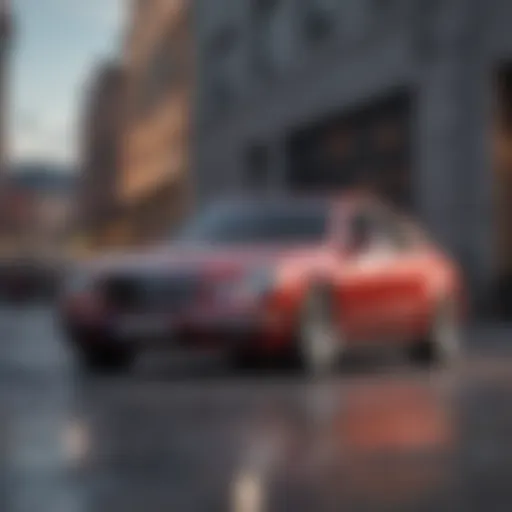
When we talk about types of vinyl wraps, there are many to consider. Glossy, matte, satin, and chrome finishes are just a few options that stand head and shoulders above the rest. Glossy wraps have a high shine and can attract attention like bees to honey, making them a popular choice for those looking to stand out. Conversely, matte wraps offer a sleek, understated look, appealing to individuals who appreciate subtlety.
Each type of wrap has its pros and cons. For instance, while glossy vinyl tends to be more eye-catching, matte finishes can hide imperfections in the car's surface much better than their shiny counterparts. However, they can be tricky to maintain. A minor scratch shows up more on matte than on gloss, which could end up costing you more in repairs. An informed choice in vinyl can be a game changer in ensuring value for your buck.
Durability and Finish Options
Durability is another significant component in the material cost equation. Not all vinyl wraps are created equal; some last longer than others. Premium wraps, such as those from 3M or Avery Dennison, can withstand harsher elements and maintain their color for years, while budget options might fade or peel after just a year. If you're laying down considerable cash, durability should be on your radar.
The finish you choose will also affect longevity. A wrap with a feasible lifespan averages between five to seven years, but finishes might vary in resilience. A glossy finish may make your coupe shine like the top of a Chrysler building, but it might also be more prone to scratches than a low-key matte alternative. This choice impacts both short-term and long-term costs, hence it is not to be taken lightly.
Labor Costs
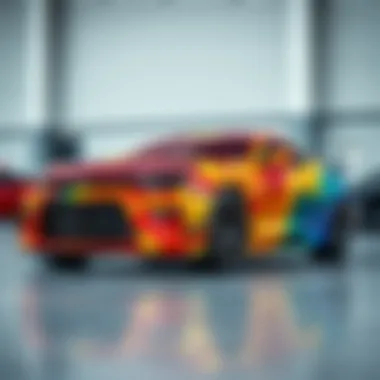
Labor costs significantly contribute to the total expense of vehicle wrapping. The choice between professional installation and a DIY approach can drastically shift your budget.
Professional Installation vs. DIY
When contemplating professional installation versus DIY, it boils down to skills and comfort level. While trying your hand at wrapping can save you a penny or two, the risk of a botched job is real. Wrinkles, bubbles, or poor cuts could lead to an aesthetically undesirable outcome.
On the other hand, hiring professionals can be a smart investment. Skilled installers know the ins and outs of vinyl application, ensuring a seamless wrap that stands the test of time. Companies often back their work with warranties, offering a safety net if something goes awry. This approach can add another layer of cost, but if you value high-quality results and peace of mind, it may well be worth the price.
Time Required for Installation
The time required for installation also matters, both in terms of money and scheduling. If a pro is handling your wrap, expect the process to take anywhere from a single day to up to a week depending on the wrap's intricacy. Rushing through it increases the risk of mistakes.
So whether you're going DIY or professional, factoring in the time commitment is crucial. The time you invest can either amplify your costs due to extended labor or turn into savings if you have the skill and patience.
Additional Fees and Charges
Aside from the key components of material and labor, other fees can sneak up on you like uninvited guests at a party.
Design Fees
Design fees shouldn’t be overlooked when considering wrapping your coupe. Custom designs can elevate the wrap from basic to breathtaking, showcasing personalization. However, custom designs sink into additional costs. The complexity of the design, color choices, and artwork can range widely, affecting the overall price.
This can be particularly useful for businesses wanting to brand their vehicles. A professional designer can help sculpt something that not only looks good but also stands out on the road. Sure, you might be spending a bit more, but this investment can translate into significant brand visibility and engagement.
Cleanup and Removal Costs
Cleanup and removal costs are often an afterthought but should be on your radar. When it's time to change your vehicle’s style or remove a wrap, the costs can add up quickly. A poorly removed vinyl can damage the underlying paint, leading to even higher repair bills.
Moreover, many installers offer removal services, but this adds yet another layer of expenditure to your project. So, when budgeting for a wrap, consider these future fees. Understanding these elements can give you a clearer picture of the overall financial commitment involved in wrapping a coupe.
Factors Affecting the Total Cost
Understanding the total cost of wrapping a coupe requires a close examination of various elements that contribute to the overall expense. Grasping these facets not only aids potential buyers in budgeting but also helps them appreciate the nuances of vehicle wrapping. Various factors including the size and complexity of the vehicle, the quality of materials used, and the regional market rates play significant roles in determining the final cost. Here’s a closer look at each of these aspects.
Size and Complexity of the Coupe
Coupe Characteristics Impacting Cost
When we talk about the size and complexity of a coupe, we got to consider its design. Coupes often have unique contours and lines compared to other vehicle types, which can complicate the wrapping process. Distinct features, like a sloping roof or intricate side designs, necessitate more precise measurements and cuts.
For instance, a coupe with multiple curves can inflate installation time and skill level required. This can lead to higher charges for labor since not every installer may be up to the task. More skilled labor typically comes at a price, and that’s something to keep in mind.
Key features of coupes that impact costs include:
- Aerodynamic shapes: They often require special materials that fit well without bubbles.
- Window designs: More windows mean more careful wrapping to ensure visibility remains clear and distraction-free.
Thus, when considering wrapping a coupe, one should not underestimate the implications of its distinct characteristics.
Wrap Complexity and Detailing
The complexity of the wrap itself significantly influences the total cost. Complex designs, like those with multiple colors or custom graphic elements, necessitate more time and effort. This often results in higher material use and labor fees.
Moreover, detailing work, like additional application of textures or patterns, can skyrocket expenses further. Installers might also charge separately for intricate elements within the design.
One unique feature of complex wraps is the potential for customization. Enthusiasts often choose bespoke designs to reflect personal styles, thereby enhancing their vehicle's appeal. This trend continues to grow, making it both a popular choice among buyers and an art form among installers. However, one must weigh the added aesthetic benefits against the higher costs associated with such choices.
Quality of Materials Chosen


Comparing Budget vs. Premium Options
The decision between budget and premium materials can significantly alter cost and durability of the wrap. Budget options might appear tempting due to their lower price tags, but they often compromise on quality and longevity. These materials may fade quickly or shrink, leading to peeling or cracking over time.
On the contrary, premium materials offer better durability and vibrant colors. High-quality vinyl is designed to resist the fading known to plague inferior versions, staving off potential issues for several years.
For instance, when comparing common brands like 3M or Avery Dennison, users tend to notice a stark difference in the performance after a year or so. It’s a beneficial move in the long run, keeping appearance sharp and saving money on potential re-wrapping.
Impact of Material Quality on Longevity
Material quality also plays a role in the lifespan of the wrap. High-grade materials generally promise longer-lasting results, while cheaper vinyl is likely to deteriorate quickly. Several factors within this scope need to be examined:
- UV resistance: Premium films are often treated to resist sun damage.
- Thickness: Thicker wraps provide better protection against scratches and fading.
When buyers prioritize quality, it assures them not just a beautiful finish but also a functional investment. Investing in better materials may mean spending more initially but can safeguard their vehicle's aesthetics and value for an extended period.
Market Rates and Regional Differences
Variances in Installation Costs Across Locations
Another crucial element affecting total costs is geographical location. Installation charges can vary greatly from one region to another, influenced by local market trends and demand. In urban areas, competition might drive prices down, resulting in better deals. Conversely, in remote locations where fewer specialists exist, clients might face inflated costs due to limited options.
It’s important for potential wrappers to research local pricing trends. Each area may have unique characteristics that influence pricing, such as demand for custom jobs or seasonal factors impacting roadside detailing businesses.
Implications of Local Competition
Local competition significantly shapes the market landscape. In regions brimming with vehicle wrap companies, installers may lower rates just to attract more clients. On the flip side, if competition is scanty, prices might be higher owing to a lack of choices for consumers.
Buyers should take the time to compare quotes from different providers within their location. They may discover variations in prices that stem from competition dynamics. It can provide insights into the best value for their desired wrap, ensuring they make an informed decision.
Finale
Several factors influence the total cost associated with wrapping a coupe. The size and complexity of the coupe often determine the extent of labor required, while material quality and local market dynamics provide further insights into pricing adjustments. Taking these factors into account can position buyers to make smarter, more economical choices.
With thoughtful consideration of these components, potential buyers not only enhance their understanding but also ensure they are well-prepared to face the financial implications of wrapping their coupes.
Benefits of Wrapping a Coupe
Wrapping a coupe presents several advantages, from protecting the underlying paint to allowing for personalization that meets both aesthetic and branding goals. Understanding these benefits is crucial for anyone considering this modification, as it affects not only the immediate visual appeal of the vehicle but its long-term value and maintenance too.
Protection for Original Paint
One of the standout perks of wrapping a coupe is the protection it offers to the original paint. Think of a vehicle wrap as a shield that covers the factory finish from scratches, UV rays, and the elements. While paint is subject to fading and damage over time, a well-installed wrap can act as a barrier, keeping the colors vibrant and reducing the likelihood of chipping.
When you decide to take a drive down the highway in your coupe, the last thing you want is to worry about debris hitting the paint or exposure to corrosive substances like road salt. A vinyl wrap significantly mitigates these worries. Furthermore, if the day ever comes when you decide to remove the wrap, there’s a good chance the underlying paint will look as pristine as the day you bought the car.
"For those cradling a trophy coupe, the wrap is not just a mod; it's peace of mind."
Custom Aesthetics and Branding Opportunities
Beyond protection, wrapping a coupe offers a world of customization potential. From bold colors to intricate designs, the options are virtually limitless. Want a matte finish? Or maybe a glossy, reflective surface that turns heads? No problem. You can express your personality or brand identity through your vehicle's wrap, enhancing visual appeal significantly.
This flexibility can extend to businesses too. Companies often wrap coupes to transform them into rolling advertisements. With the proper design and execution, a car can become a standout marketing tool, reaching audiences well beyond traditional ad placements. Think about it: every time you stop at a traffic light, you have potential customers staring right at your brand. In a market where first impressions matter, a smartly wrapped coupe can communicate a powerfully engaging image.
Resale Value Considerations
The resale value of a coupe is another factor to weigh when considering a wrap. A well-maintained vehicle generally fetches a better price, and preserving the original paint through wrapping can play a significant role in this. Many buyers prefer vehicles that have been wrapped because the paint is likely in good condition beneath all the vinyl.

If you ever decide to sell your coupe, a protective wrap can make your car more appealing to potential buyers. On the flip side, it’s important to choose high-quality materials and have the wrap applied professionally. A poor install or using flimsy vinyl can detract from the vehicle's value and may lead to extra costs down the line for removal or repainting. Thus, investing in a good wrap can mean recouping more of your initial investment when you’re ready to part ways with it.
In summary, wrapping a coupe isn’t just about looks; it’s a comprehensive approach to vehicle care and marketing. From preserving original factory paint to offering a customizable canvas for aesthetics or branding, the benefits are manifold, supporting both long-term vehicle health and marketability.
Wrap Maintenance and Longevity
Maintaining a vinyl wrap is crucial for preserving both its appearance and functionality. While wrapping a coupe can enhance aesthetics and offer some paint protection, neglecting proper care can lead to premature wear, fading, and even lifting of the wrap. The longevity of the vinyl wrap not only reflects on the owner's commitment to vehicle upkeep but also affects potential resale value. Following a few essential maintenance practices can significantly extend the life of the wrap.
Care Instructions for Wrapped Coupes
Cleaning Protocols
Cleaning is a key aspect of maintaining a vinyl wrap. Regular washing prevents dirt and grime buildup, which can degrade its quality over time. It’s recommended to use pH-balanced soaps, as harsh detergents may strip away the wrap’s protective properties. When washing, using a sponge rather than a brush is advisable to avoid scratching the surface.
- Gentleness Matters: A soft touch during cleaning keeps the wrap intact.
- Water Temperature: Using warm water helps in breaking down dirt without compromising the vinyl's integrity.
- Spot Cleaning: Addressing stains promptly can prevent them from setting in, aiding overall durability.
This cleaning method is popular due to its effectiveness and simplicity. It keeps the vehicle looking sharp without causing damage, crucial for car enthusiasts who want their coupes to gleam. The unique feature here is using specific products designed for wraps. These can enhance both shine and protection, ensuring that wrapped surfaces remain vibrant for years.
Preventative Measures
Preventative measures can lessen the impact of environmental factors on vinyl wraps. Parking under a carport or using a cover when the vehicle is not in use shields it from UV rays, bird droppings, and tree sap, all known to cause significant damage.
- UV Protection: Direct sunlight can lead to color fading
- Regular Inspections: Keeping an eye out for bubbling or lifting can facilitate early interventions.
Implementing these practices not only enhances longevity but also safeguards the investment in a vehicle wrap. The distinctive advantage of preventative measures is that it’s an investment in peace of mind. By being proactive, owners can save time and money on potential repairs in the long run.
Expected Lifespan of a Vinyl Wrap
The expected lifespan of a vinyl wrap can vary based on multiple factors. On average, a well-cared-for wrap lasts between 5 to 7 years, but some higher-quality wraps can endure even longer. Consideration of various elements impacting longevity can inform better decision-making.
Influencing Factors on Durability
Durability of a vinyl wrap can be influenced by several key factors like environmental conditions, quality of installation, and maintenance practices. High-quality materials often hold up better against wear and tear.
- Climate Influence: Extreme temperatures or excessive moisture can accelerate deterioration.
- Installer's Skill: Poor installation can lead to premature lifting or bubbling.
Understanding these factors provides insight into the wrap’s performance. Quality and professional installation greatly enhance the chances of longevity, a fact that should be top-of-mind for anyone considering this investment.
Signs of Wear and Tear
Recognizing signs of wear and tear is vital for effective maintenance. Common indicators include fading colors, peeling edges, and bubbles under the surface. Moreover, noticing any inconsistencies can signal the need for repair or replacement.
- Visual Inspections: Regular checks help in identifying issues early.
- Surface Feel: A rough texture could indicate dirt penetration or damage.
Rapid identification of these signs allows the owner to take immediate action, ensuring the wrap stays functional and visually appealing. Each mark or blemish can tell a story, and addressing them timely can save considerable effort and expense in the future.
"The key to lasting vehicle wraps lies not only in their installation but in the ongoing care they receive."
Finale
Wrapping a coupe is not merely a cosmetic endeavor; it intertwines multiple aspects of vehicle care and personal expression. Understanding the costs associated with wrapping is crucial for anyone considering this type of vehicle enhancement. From the type of materials chosen—be they budget-friendly or premium-grade—to labor costs that vary significantly by region and installer expertise, each element plays a pivotal role in the total expenditure. Having a clear grasp of these nuances allows potential vehicle owners to navigate this terrain without landing in over their heads financially.
Summary of Cost Considerations
The financial landscape of wrapping a coupe can at first appear convoluted. However, breaking it down reveals several core factors that affect pricing. Key elements to reflect upon include:
- Material Choices: There’s a range of vinyl options in the market. The choice here scales from economical options that serve basic purposes to luxury materials that offer enhanced durability and stunning finishes.
- Labor Involvement: Whether opting for a professional installation or taking the DIY route will significantly shift your overall budget.
- Regional Variances: The geographical factor can’t be dismissed, as labor rates can fluctuate broadly based on local market competition.
Ultimately, a thorough understanding of these elements will help to either validate the investment in a wrap or prompt a reconsideration based on personal budget constraints.
Final Thoughts on Making an Informed Decision
As you stand at the crossroads of deciding whether to wrap your coupe, it’s vital to dive deep into the waters of information and introspection. Making an informed choice means assessing not only the immediate visual appeal but also the long-term implications of wrapping on vehicle maintenance and value retention. Seek out reliable professional opinions, like those from local automotive forums on Reddit, or reference informative articles from sources such as Wikipedia or Britannica, to weigh your options carefully.
Wrapping a coupe can yield a range of benefits when executed with forethought and research. However, it requires a blend of artistic flair and practical financial considerations to ensure you get the most bang for your buck. In essence, wrapping isn’t just a splash of color; it’s investing in a canvas that represents you.